How modern fuel card solutions are becoming powerful fleet management tools
For many years, fuel cards were viewed primarily as a convenient payment solution for drivers.
Today, however, fuel card providers are offering a much broader range of services designed to support fleet efficiency, compliance and cost control.
Rising fuel prices, tighter margins and increased reporting requirements have prompted many fleet operators to seek greater visibility over fuel expenditure.
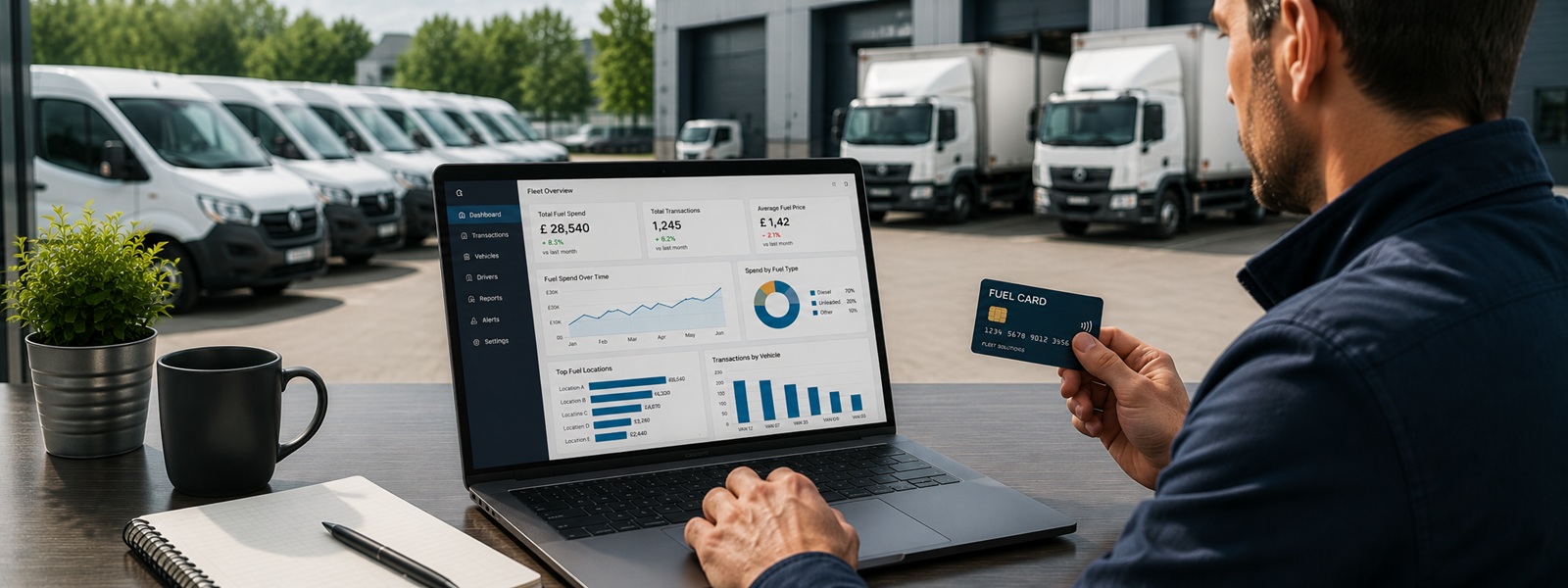
Modern fuel card platforms now provide detailed transaction reporting, spend analysis, vehicle-level monitoring and integration with wider fleet management systems.
For operators managing multiple vehicles, this visibility can help identify unusual purchasing patterns, reduce administrative workload and improve budget forecasting.
Some providers are also incorporating electric vehicle charging payments, creating a single platform capable of managing mixed fleets comprising both traditional and electric vehicles.
This development is becoming increasingly relevant as operators move through transitional phases of fleet electrification.
Beyond payment processing, fuel card data can contribute valuable operational intelligence.
Fleet managers can compare vehicle efficiency, identify cost-saving opportunities and gain deeper insight into overall fleet performance.
As delivery businesses continue to seek ways to improve profitability, fuel management remains a significant area of focus.
The latest generation of fuel card solutions demonstrates how a traditionally administrative product is evolving into a strategic fleet management resource.
For many operators, fuel cards are no longer just about paying for fuel. They are becoming part of a wider technology-driven approach to managing fleet performance and operational costs.